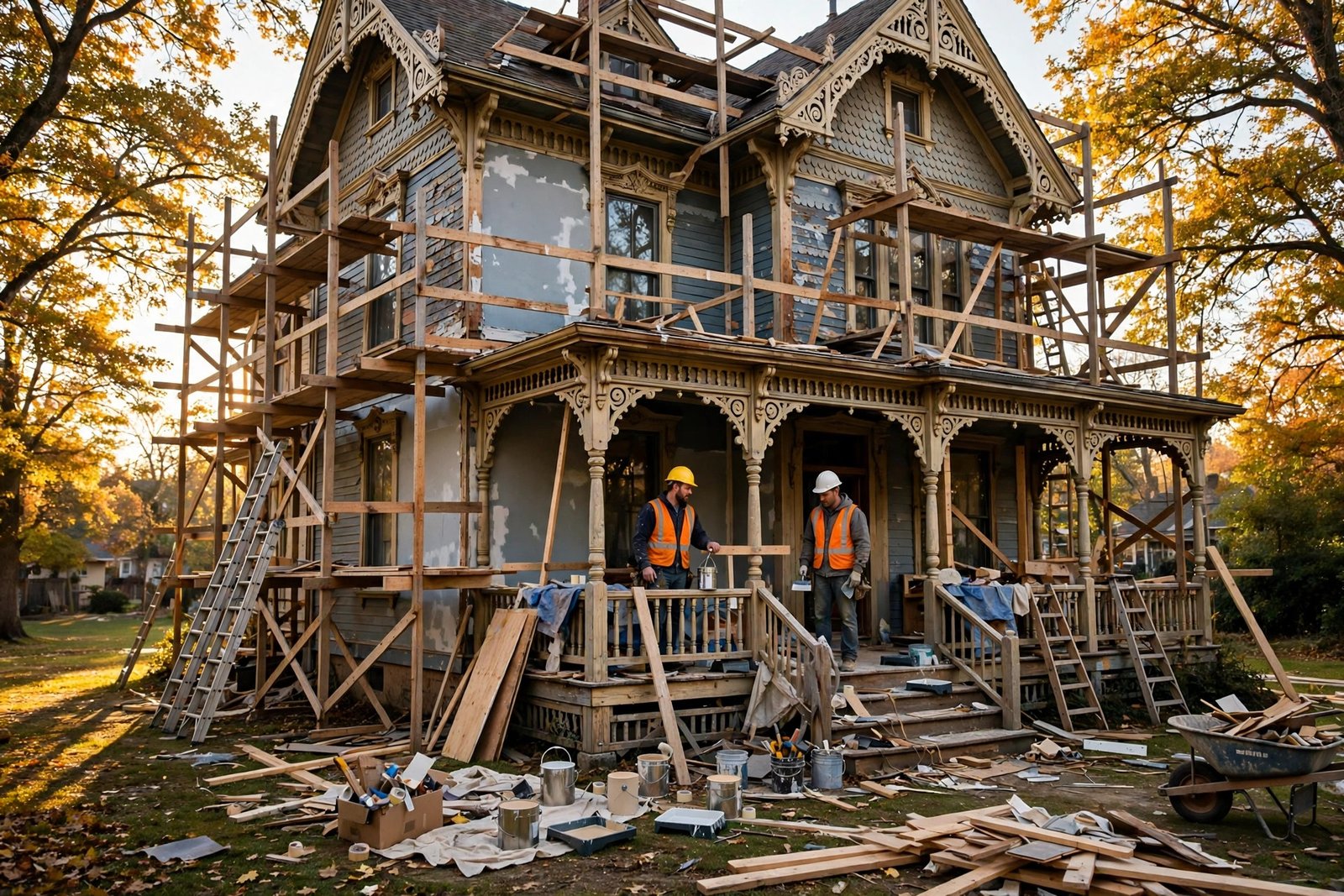
If you have fallen in love with a Victorian, a farmhouse, or a Colonial with good bones and a century of character, the first question is always the same: what is the cost to renovate an old house in 2026? The honest answer is that it depends on the size of the house, its condition, and how much of the original fabric you want to keep. But after looking at current US pricing for labor and materials, a realistic range is possible — and knowing it before you buy or start work is the difference between a dream restoration and a budget blowout. Below, we break down the costs room by room, explain what pushes prices up or down, and share practical budget tips.
Before you spend a dollar on construction, spend a little on information. A general home inspection costs $400–$700, but for a house over 80 years old, add a specialist old-house inspection ($500–$1,000) that checks the foundation, roof structure, wiring, plumbing, and signs of rot or termites. Finding a failing sewer line ($8,000–$15,000 to replace) or a cracked foundation before you buy gives you room to negotiate the price — or to walk away.
Average Cost to Renovate an Old House in 2026
Most old-house renovations in the United States in 2026 fall into three broad bands:
- Light cosmetic renovation: $30,000–$75,000. Paint, flooring refinishing, new fixtures, minor kitchen and bathroom updates, and landscaping. The structure, wiring, and plumbing stay mostly as they are.
- Mid-range full renovation: $100,000–$250,000. A full kitchen and bathroom remodel, new roof or repairs, updated electrical panel and partial rewiring, plumbing upgrades, insulation, and exterior work.
- Major or whole-house renovation: $250,000–$500,000+. Structural repairs, full rewiring and replumbing, foundation work, a new roof, a kitchen and bathroom gut remodel, and restoration of historic details. In high-cost cities, a large historic home can go well beyond $500,000.
A useful rule of thumb for 2026 is $100–$250 per square foot for a mid-range renovation of an older home, and $250–$400 per square foot for a high-end or historically accurate restoration. A 2,000-square-foot farmhouse, for example, would typically cost $200,000–$500,000 to renovate thoroughly. Smaller cottages and bungalows cost less in total but often more per square foot, because kitchens, bathrooms, and systems cost roughly the same no matter how small the house is.
These figures include labor and materials, but not always permits, design fees, or the cost of living elsewhere while work is underway. Always add a contingency of 15–20% for an old house — hidden problems are a certainty, not a possibility.
Size matters as much as condition. A 1,200-square-foot cottage usually costs $120,000–$300,000 to renovate thoroughly, while a 3,000-square-foot Victorian can run $300,000–$750,000 or more, simply because there is more roof, more wiring, more plumbing, and more woodwork. Region matters too: the same kitchen remodel that costs $40,000 in Ohio can cost $60,000 in Boston or San Francisco, where labor rates are higher and permits take longer. When you compare prices online, always check whether the figure is a national average or a local one — and budget for your city, not the national average.
Cost Breakdown by Project
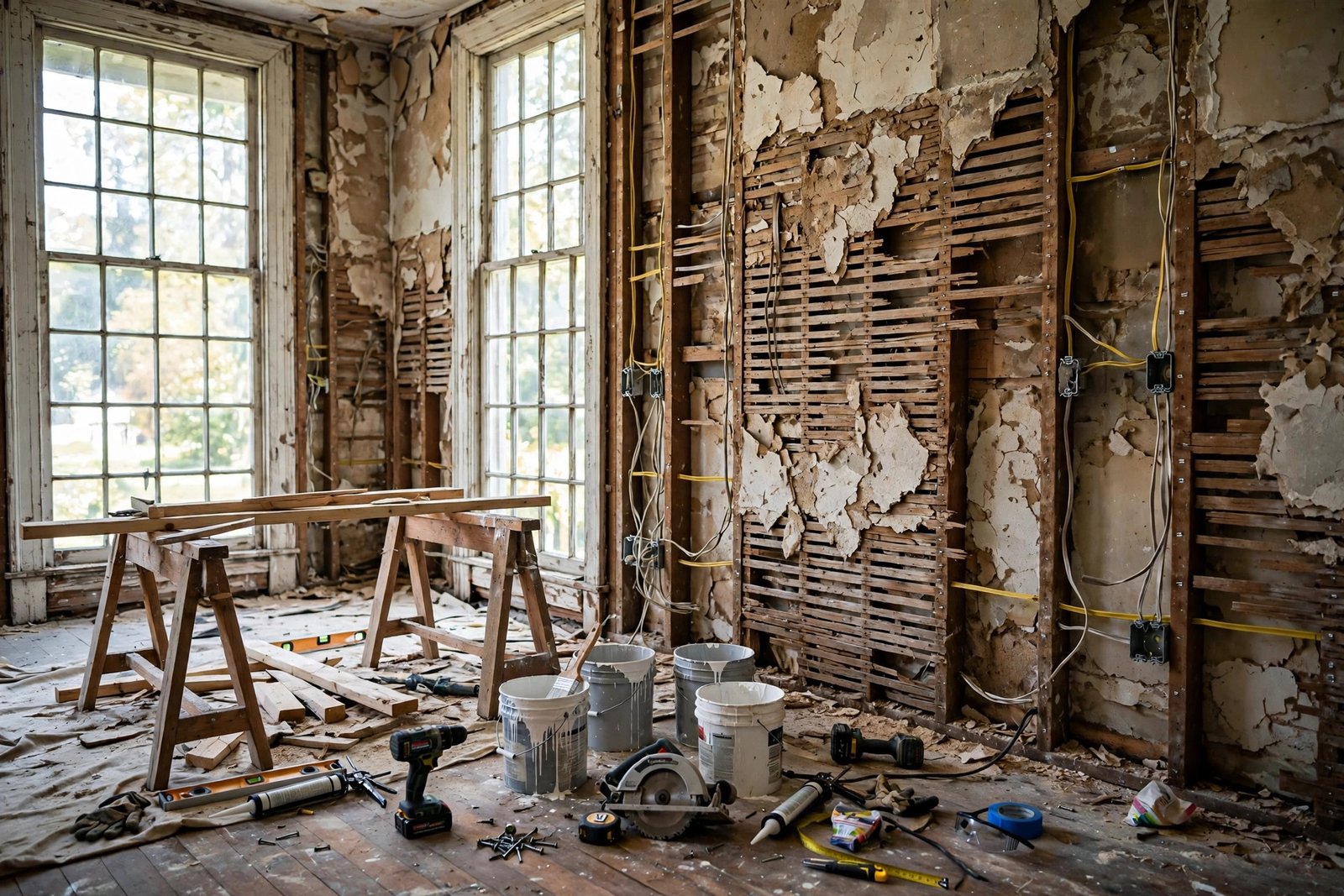
Every old house is different, but the table below gives realistic 2026 US price ranges for the most common renovation projects. Prices vary by region, with the Northeast, West Coast, and large metro areas typically 20–40% higher than the Midwest and South.
| Project | Typical 2026 Cost Range | Notes |
|---|---|---|
| Kitchen renovation | $25,000–$75,000 | Mid-range; high-end or custom cabinetry can reach $100,000+ |
| Bathroom renovation | $12,000–$35,000 | Per full bathroom; a small powder room costs $6,000–$12,000 |
| New roof | $12,000–$30,000 | Asphalt shingles; slate or metal can cost $30,000–$60,000+ |
| Full electrical rewiring | $12,000–$30,000 | Depends on house size and access; panel upgrade alone $2,500–$5,000 |
| Plumbing replacement | $8,000–$25,000 | Full repipe; a single bathroom repipe is $3,000–$8,000 |
| HVAC replacement | $8,000–$20,000 | Furnace and AC; ductless mini-splits $4,000–$12,000 |
| Foundation repair | $5,000–$25,000 | Minor crack repair at the low end; major stabilisation much more |
| Exterior painting | $5,000–$15,000 | Depends on size, stories, and prep on old wood |
| Window restoration / replacement | $800–$1,500 per window | Restoration is often cheaper than quality wood replacements |
| Hardwood floor refinishing | $3–$8 per sq ft | Replacement with new hardwood $10–$20 per sq ft |
| Insulation (attic + walls) | $3,000–$10,000 | Blown-in insulation is the least invasive option for old walls |
| Plaster repair | $2,000–$10,000 | Patching and skimming; full replastering costs far more |
| Porch restoration | $5,000–$20,000 | Decking, columns, railings, and structural repair |
| Lead paint / asbestos abatement | $5,000–$20,000+ | Required by law in many cases; never skip this step |
Kitchen Renovation Costs
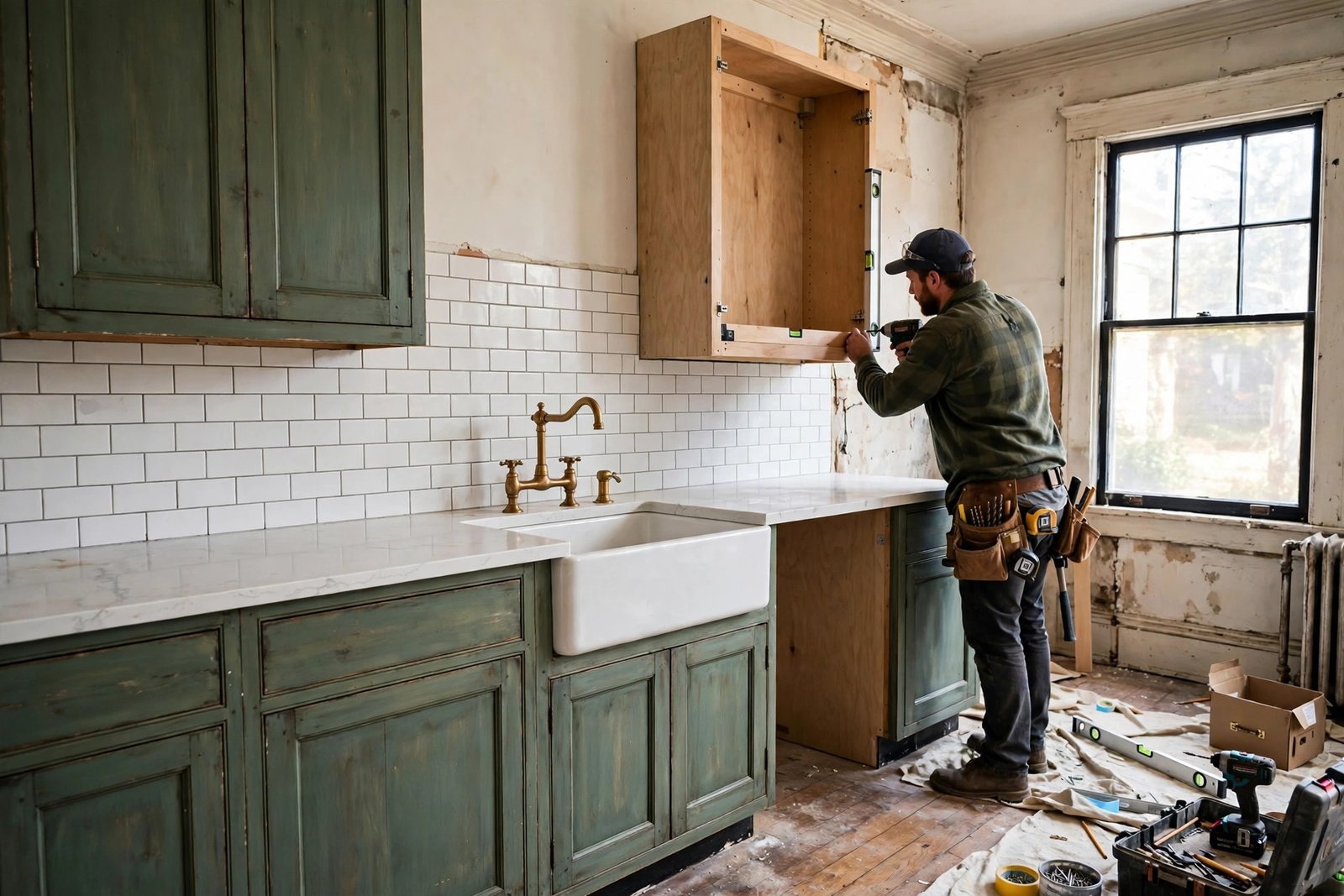
The kitchen is usually the most expensive room in an old house. A mid-range kitchen renovation in 2026 costs $25,000–$75,000. Cabinets are the biggest line item, typically 30–40% of the budget. You can save thousands by keeping the existing layout, which avoids moving plumbing and gas lines, and by refinishing or repainting solid wood cabinets instead of replacing them.
Cabinetry drives the price: stock cabinets cost $5,000–$12,000, semi-custom $12,000–$25,000, and fully custom $25,000–$50,000 or more. Appliances add $5,000–$15,000 for a mid-range set. If the original cabinets are solid wood, repainting or refacing them ($3,000–$8,000) can save $10,000 or more and keeps the kitchen looking like it belongs in the house.
Bathroom Renovation Costs
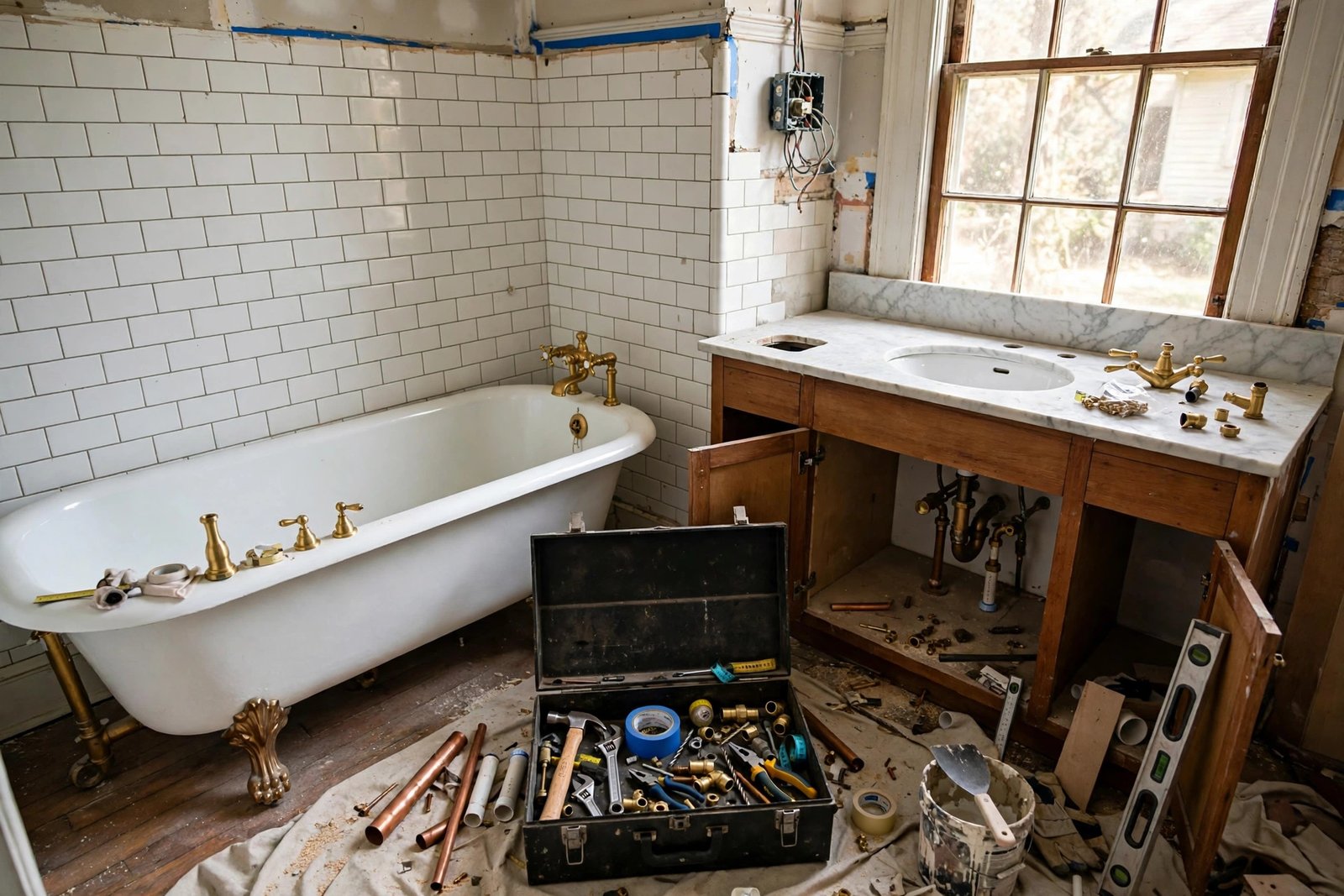
A full bathroom renovation costs $12,000–$35,000 in 2026. Old bathrooms often hide the worst surprises: rotted subfloors, cast-iron pipes, and no waterproofing behind the tile. If the plumbing stack needs replacing or the floor joists are damaged, add $3,000–$8,000. Clawfoot tubs can often be refinished for $500–$1,500 instead of replaced — a big saving that also preserves character.
Fixtures and finishes add up fast: a new vanity costs $1,000–$4,000, tile work $2,000–$8,000, and a glass shower enclosure $1,500–$4,000. In a second-floor bathroom, check the floor structure first — old joists often need sistering ($1,000–$3,000) before a heavy cast-iron tub or stone tile goes in.
Exterior, Windows, and Porch
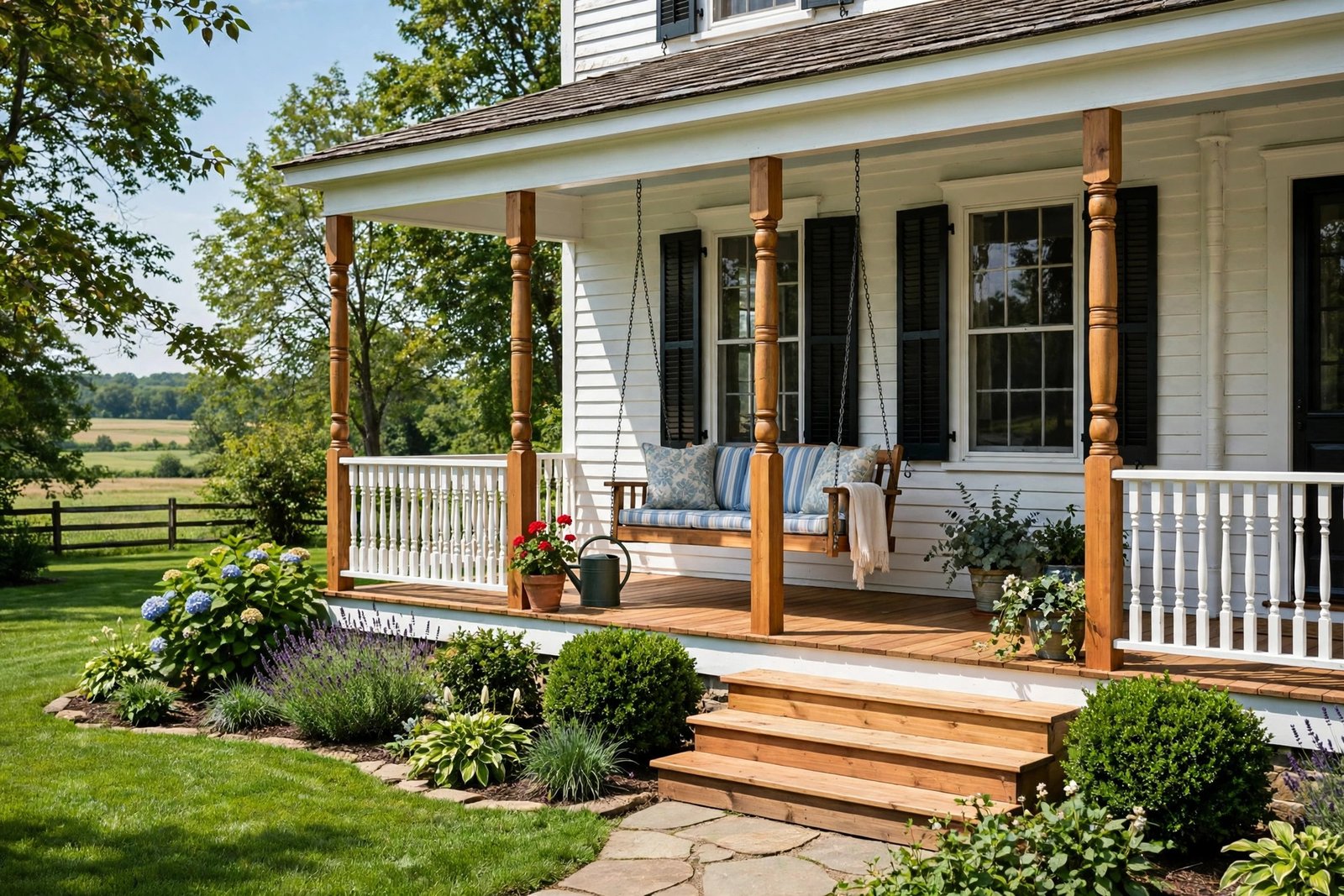
The outside of an old house is where first impressions — and resale value — are made. Exterior painting costs $5,000–$15,000, and proper preparation matters more than the paint itself: scraping, sanding, and priming old wood can take longer than the painting. Original wood windows can usually be restored for $300–$800 each, including reglazing and new weatherstripping, while quality wood replacements run $800–$1,500 per window. A porch restoration costs $5,000–$20,000 depending on decking, columns, and structural repair — and a sagging porch often signals a foundation or sill problem underneath, so have it checked before you budget for cosmetics alone.
Roof, Electrical, and Plumbing
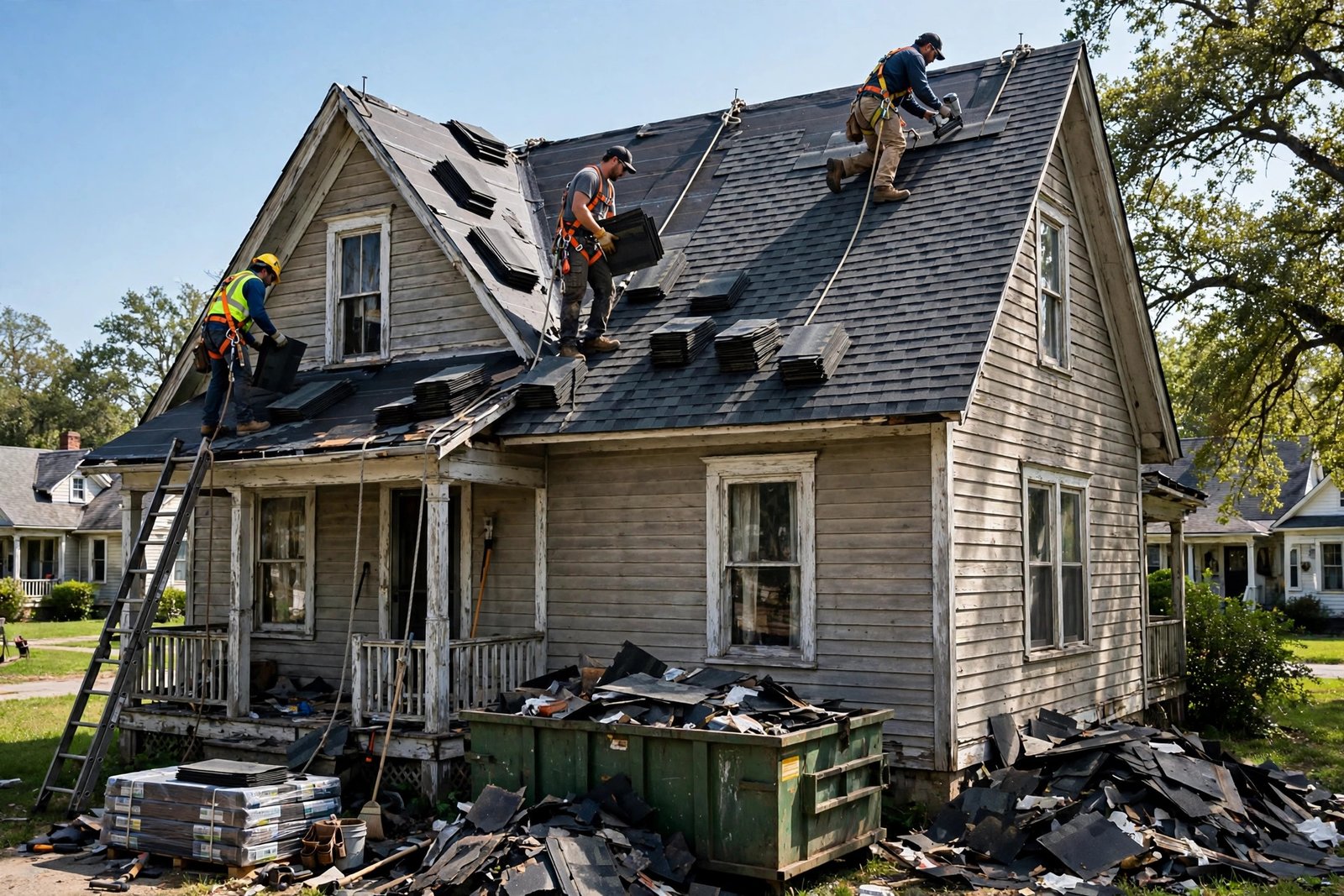
These three systems are the unglamorous backbone of any old-house renovation, and they are where budgets most often explode.
A new asphalt shingle roof costs $12,000–$30,000 for a typical old house. If your house has original slate, restoring it is expensive upfront but can last another 75 years, while a cheap replacement may need redoing in 25.
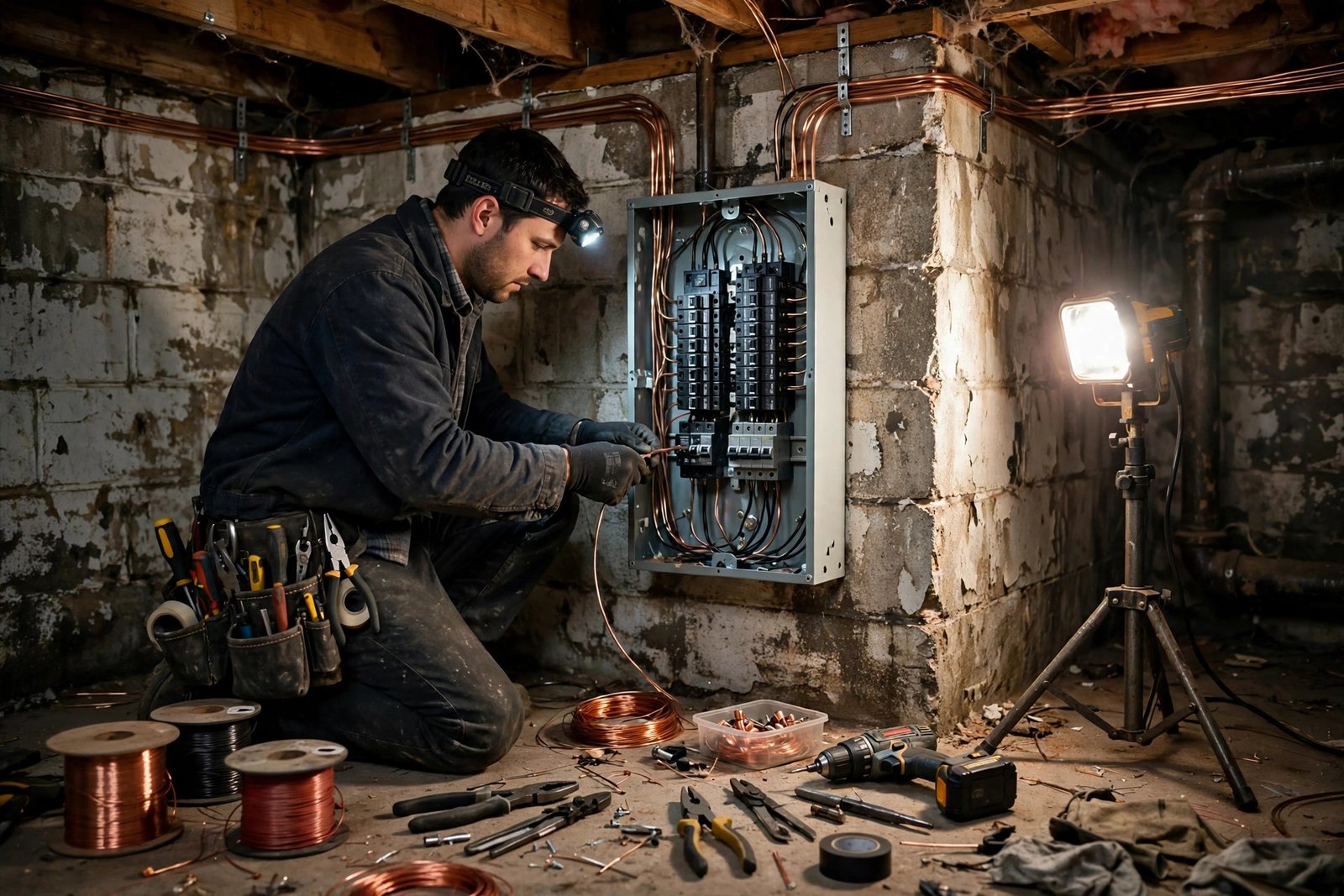
Full rewiring costs $12,000–$30,000. Knob-and-tube wiring, common in houses built before 1950, is a fire risk and most insurers will not cover a house that still has it. Budget for a new 200-amp panel as well.
Replacing old galvanized or lead pipes costs $8,000–$25,000 for a full repipe. Low water pressure, rust-colored water, and frequent leaks are all signs the pipes are at the end of their life.
For plumbing, PEX piping ($8,000–$15,000 for a full repipe) is cheaper and faster to install than copper ($12,000–$25,000), and it handles freezing better. On the roof, budget $1,000–$3,000 for permits and dumpster fees that many first-time renovators forget.
Foundation, Insulation, and Floors
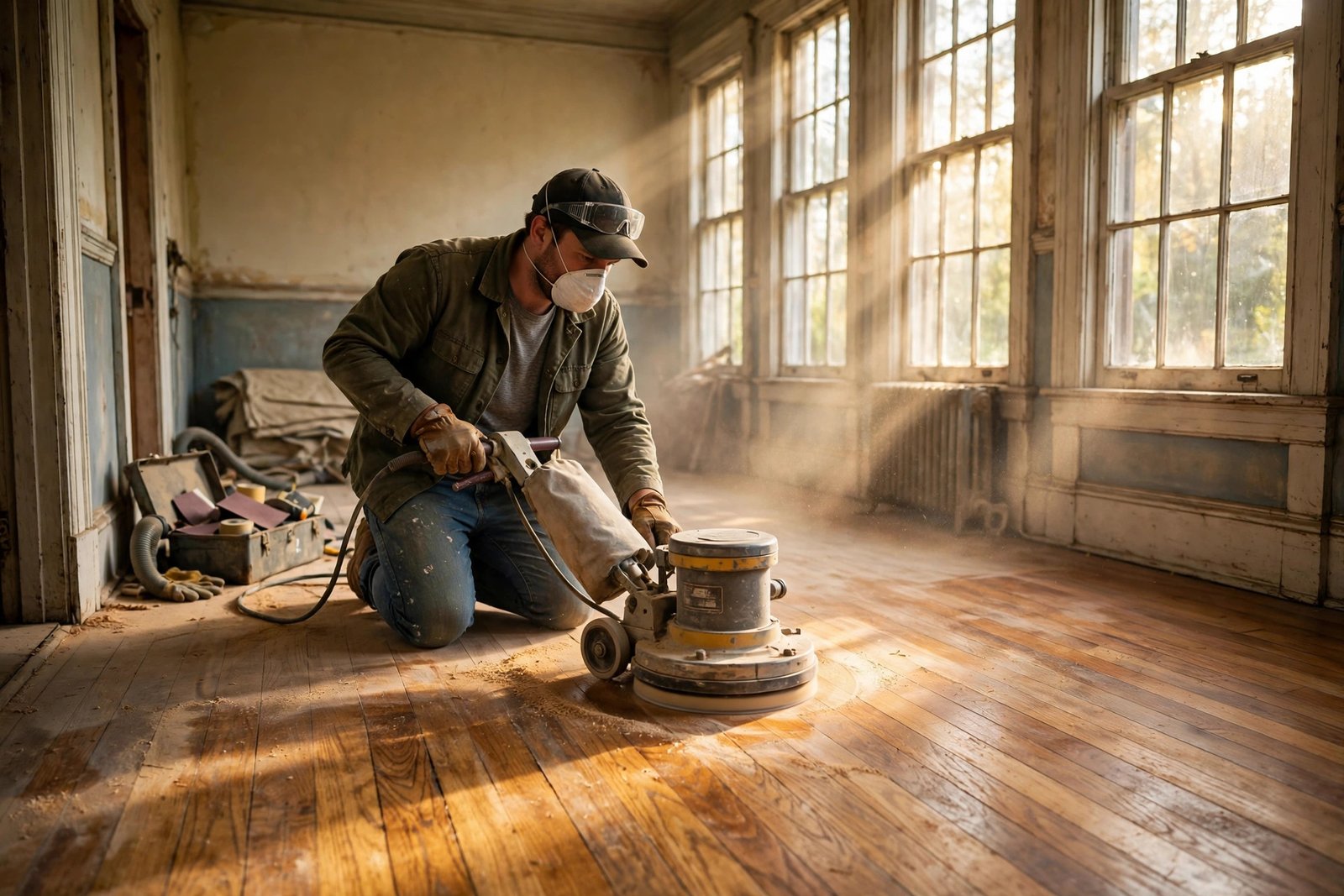
Foundation work is the least glamorous and most important money you will spend. Minor crack repair costs $500–$2,000, while piering or underpinning a settling foundation runs $10,000–$25,000 or more. Insulation is the best return on investment in an old house: blown-in cellulose in the attic and walls costs $3,000–$10,000 and can cut heating bills by 20–30%. Hardwood floors are another old-house advantage — refinishing original floors costs $3–$8 per square foot, far less than the $10–$20 per square foot for new hardwood, and original floors are a feature buyers pay extra for.
What Raises the Cost to Renovate an Old House
Several factors can push your renovation well above the average. Knowing them in advance helps you plan — and negotiate the purchase price.
1. The Age and Condition of the House
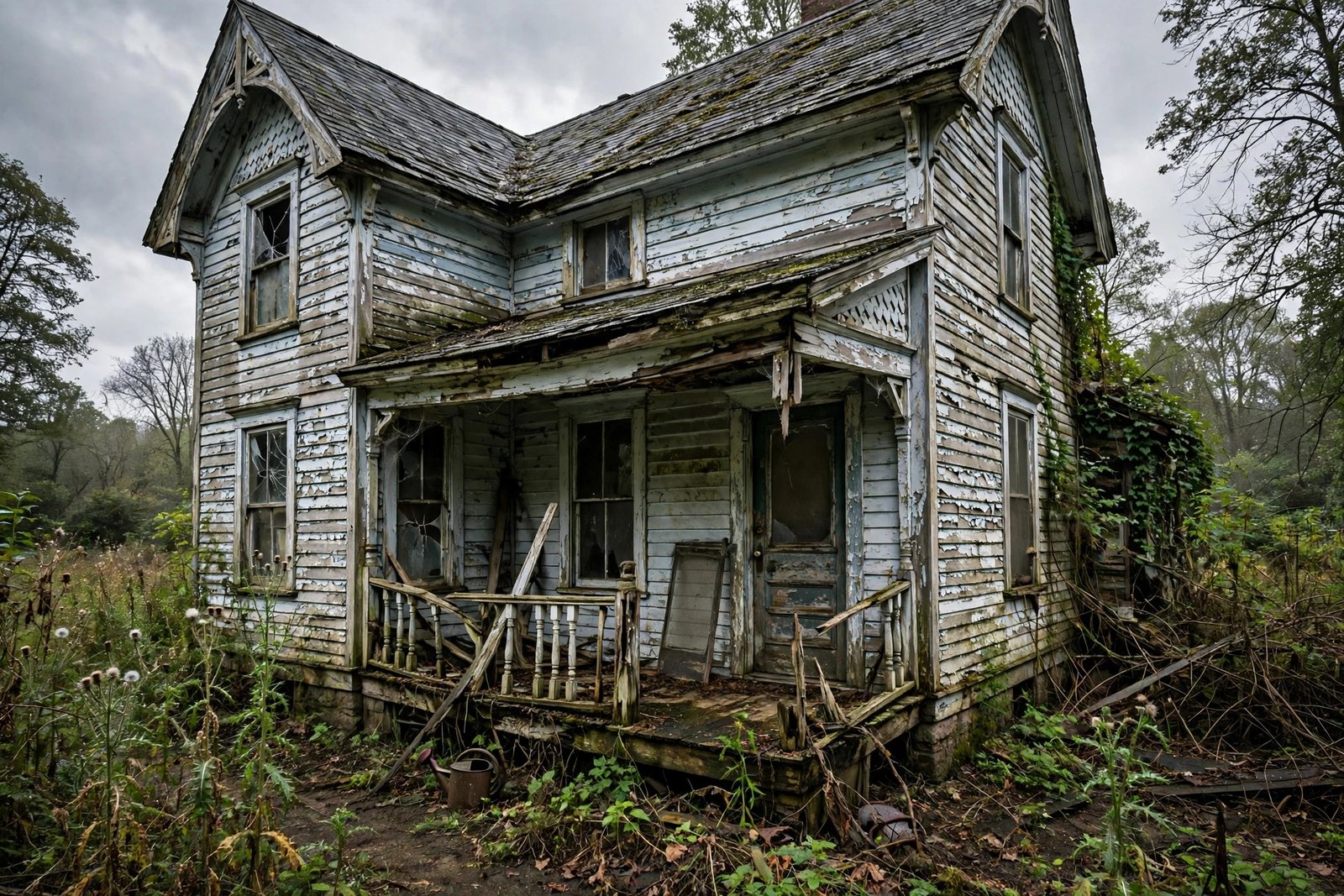
A house built in 1920 that has been maintained is a very different project from an 1880s Victorian that sat empty for a decade. The older and more neglected the house, the more structural, moisture, and pest damage you are likely to find. Always get a specialist inspection of an old house before buying.
2. Structural and Foundation Problems
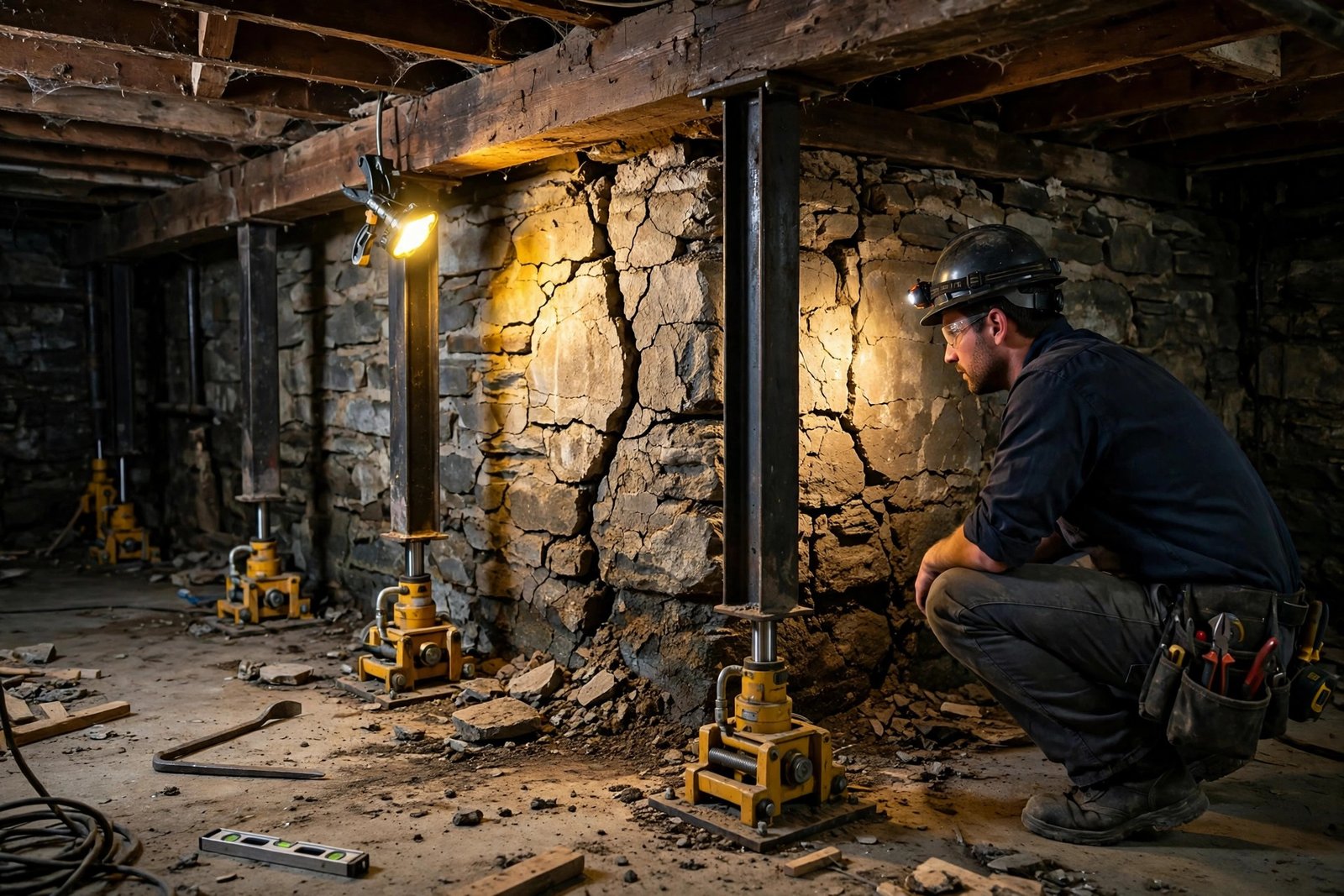
Sagging floors, cracked foundations, and rotted sill beams are common in old houses and expensive to fix. Foundation repair alone can cost $5,000–$25,000. These are the repairs you cannot skip — everything else sits on top of them.
3. Hazardous Materials
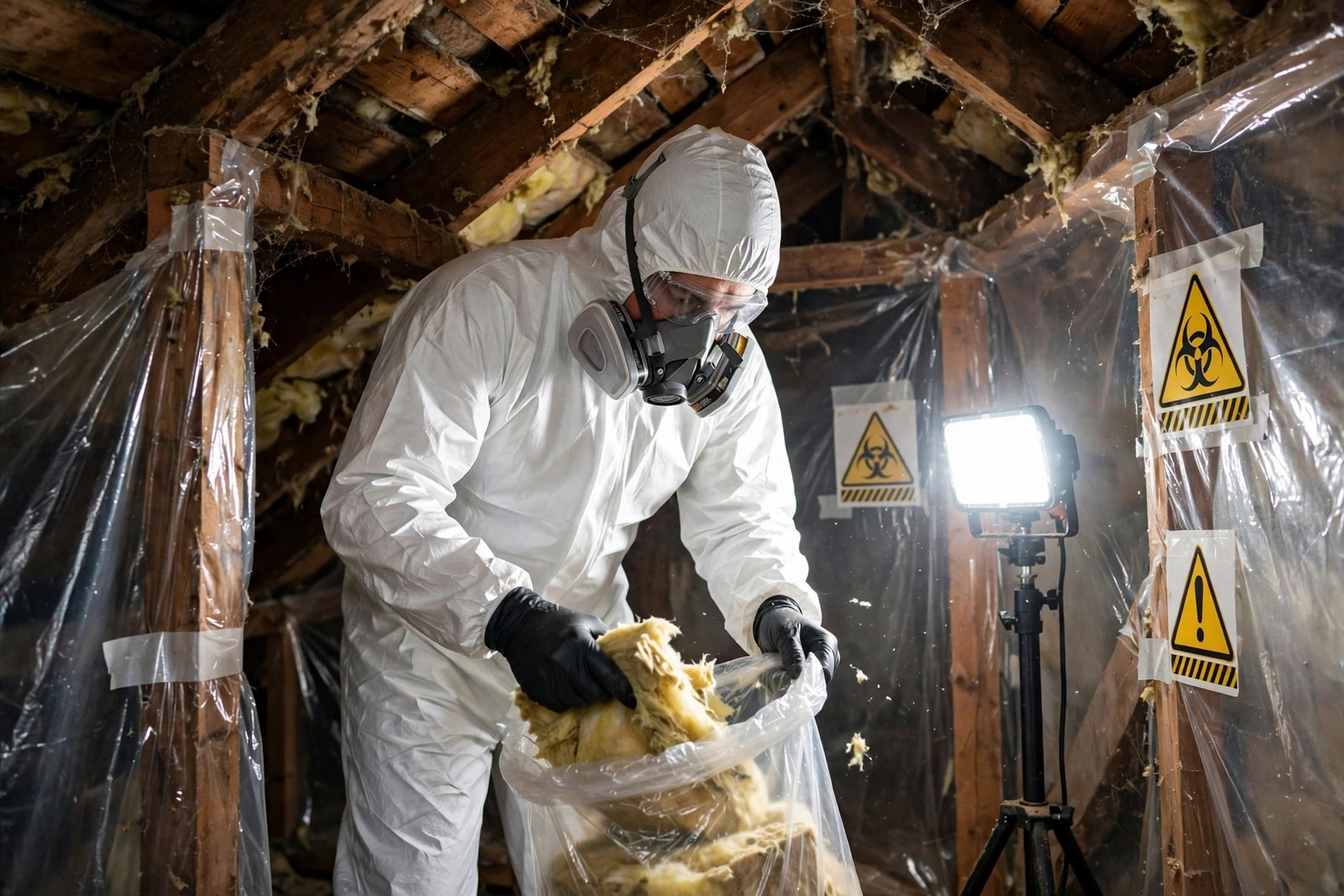
Houses built before 1978 almost certainly contain lead paint, and many contain asbestos in insulation, floor tiles, or pipe wrapping. Professional abatement costs $5,000–$20,000 or more, and it is legally required in many states before other work can begin.
4. Historic Preservation Rules
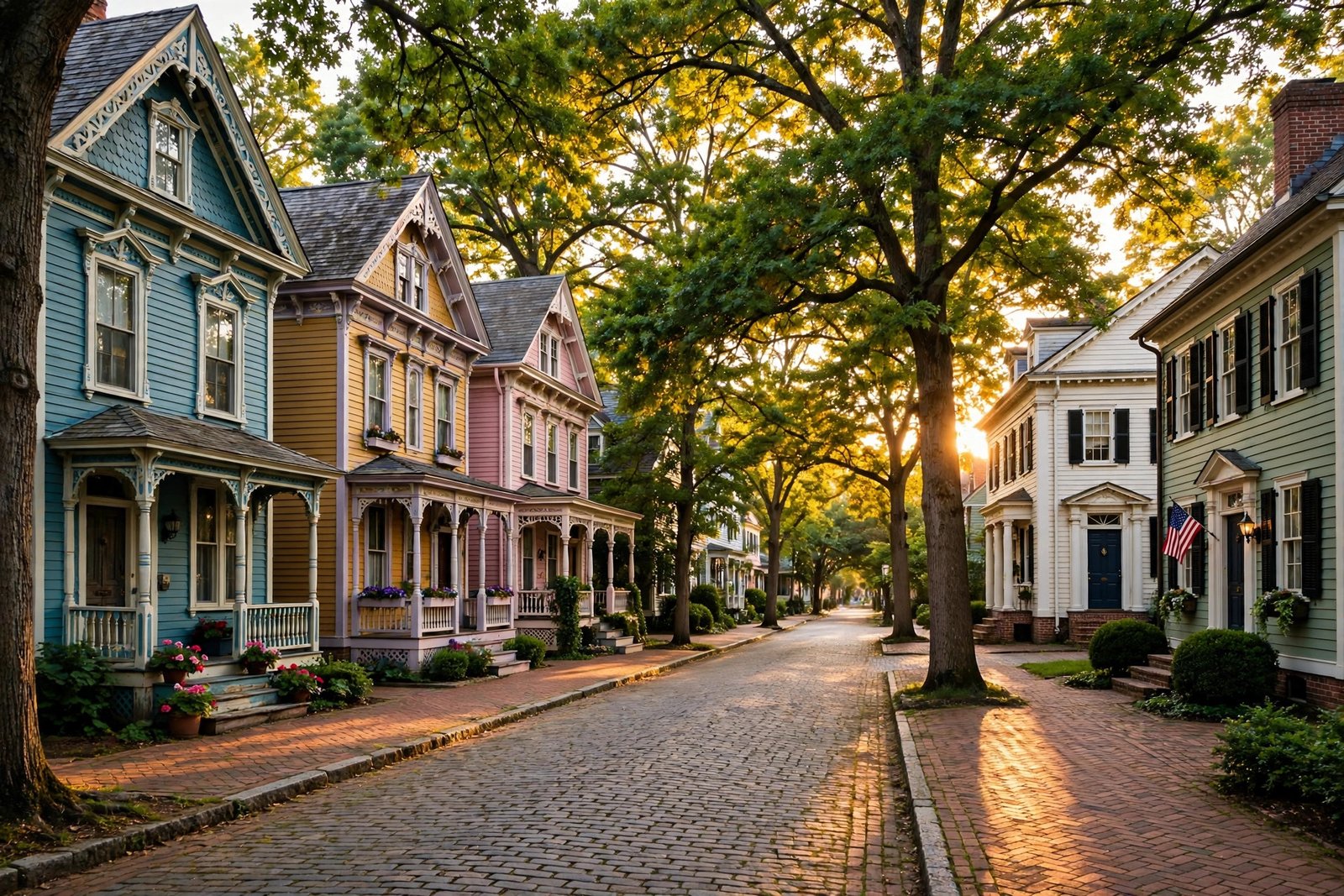
If your house is in a historic district or listed on a register, you may need approval for exterior changes, window replacements, and additions. Check with your local preservation office before finalizing plans.
5. Location and Labor Costs
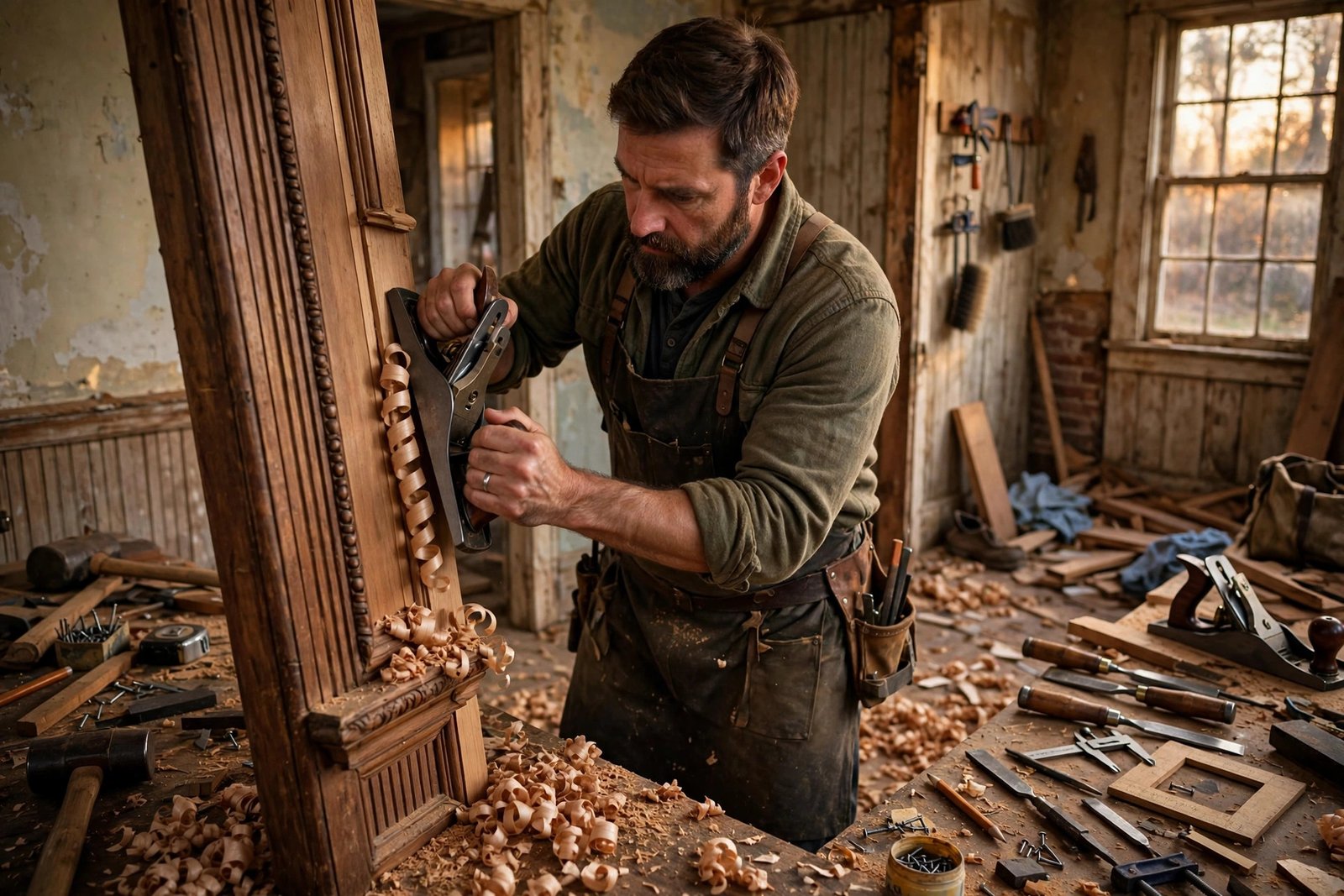
Labor is the largest single cost in most renovations, usually 40–60% of the total. Skilled tradespeople who know old houses charge more than general contractors, and they are harder to find. In high-cost cities, expect to pay 20–40% more than the national average.
6. Keeping Original Features
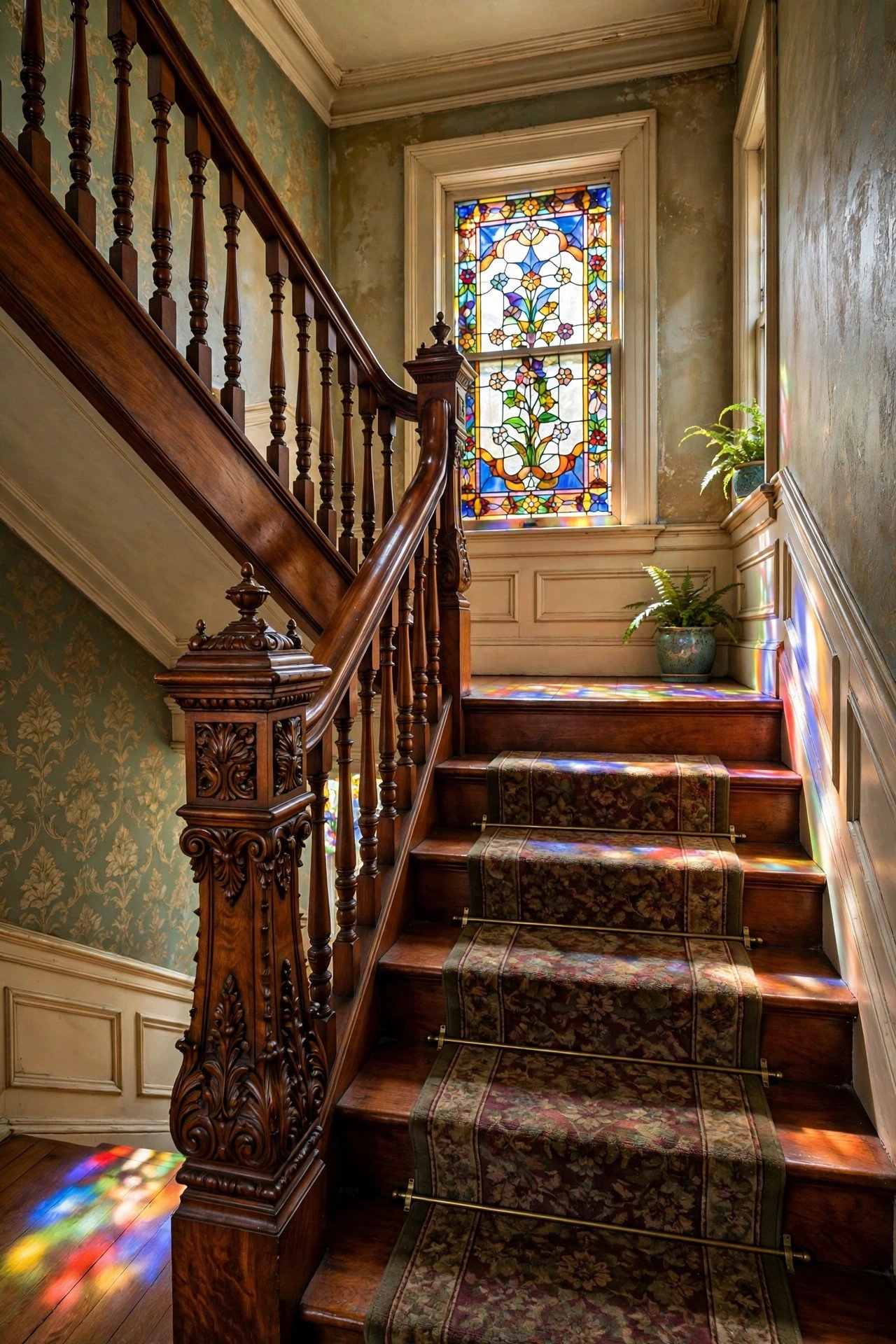
Restoring original woodwork, plaster, windows, and hardware costs more than replacing them with modern equivalents, but it is usually what gives an old house its value and charm. Decide early which features are non-negotiable.
7. Permits, Design Fees, and Delays
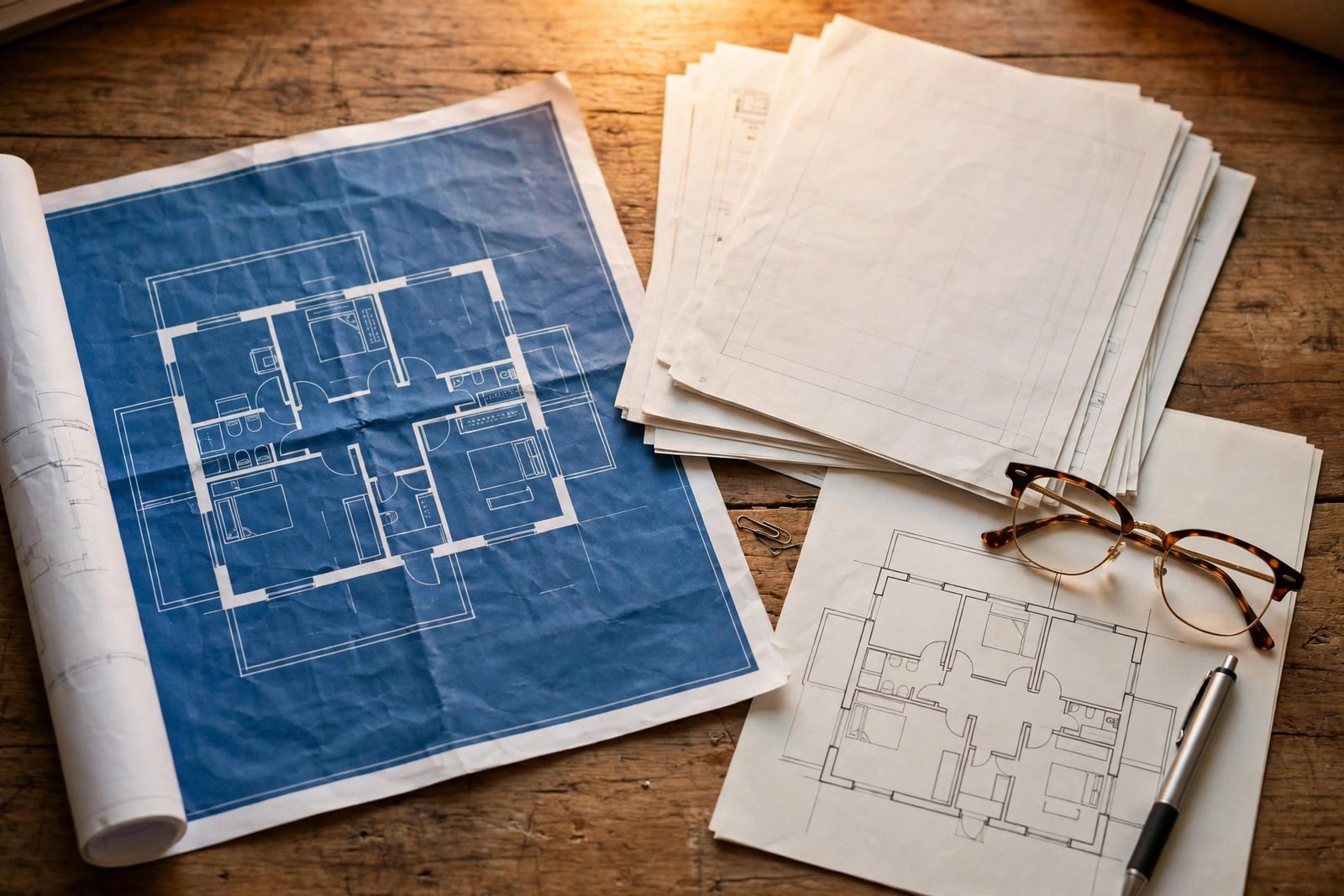
Permits cost $500–$5,000 depending on the scope, and architect or designer fees add 5–15% of construction cost. Delays cost money too: every extra month of renovation means another month of rent or mortgage on two places, and material prices can rise while you wait. In 2026, custom windows, doors, and period fixtures often have lead times of 8–16 weeks, so order them early or your contractor will be waiting on parts while the clock runs.
What Can Lower the Cost
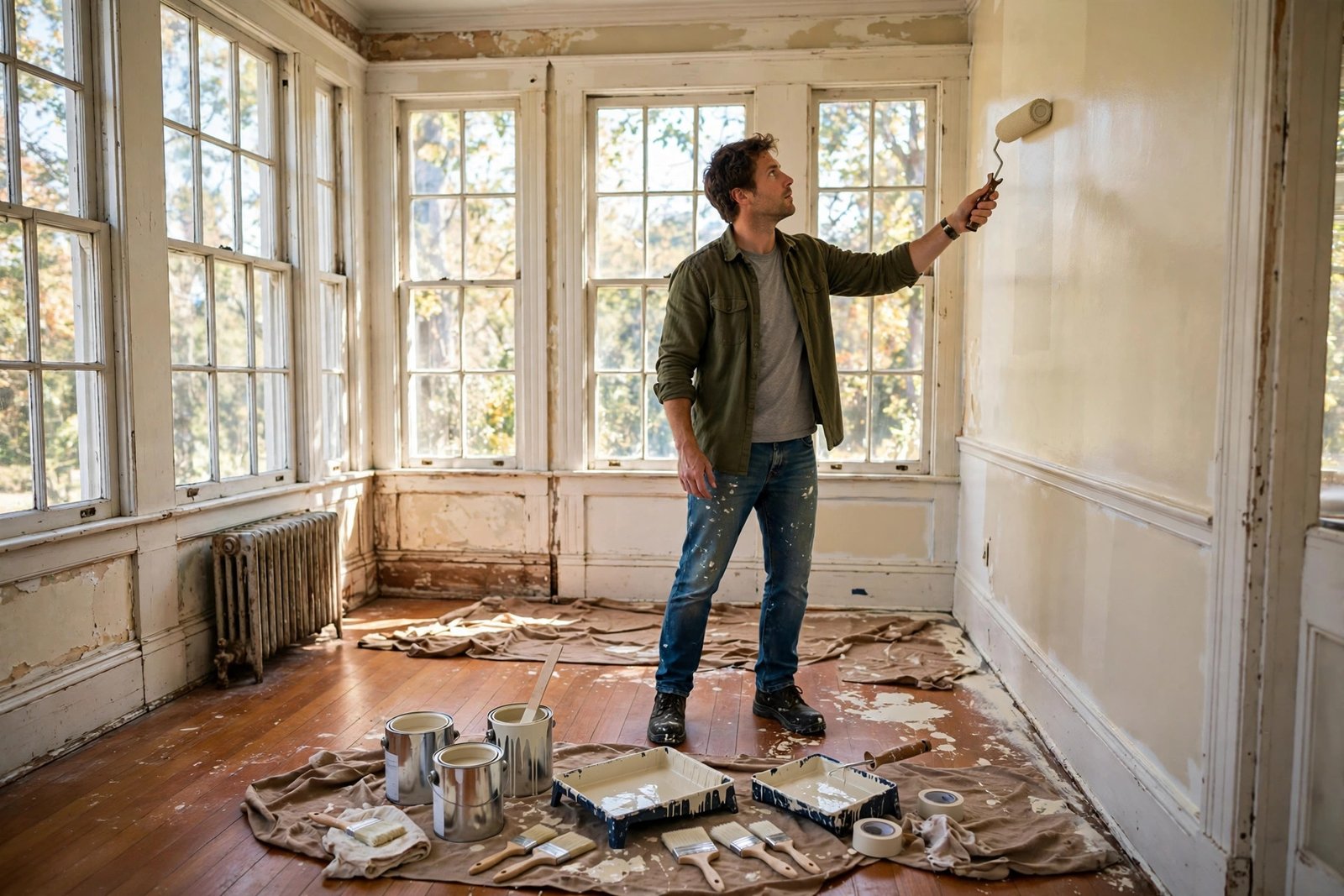
Renovating an old house does not have to mean spending a fortune. These strategies can cut costs significantly:
- Phase the work. Do the roof, electrical, and plumbing first, then live in the house while you save for the kitchen and bathrooms.
- Keep the layout. Moving a kitchen or bathroom means moving plumbing, wiring, and sometimes load-bearing walls. Keeping rooms where they are is the single biggest money saver.
- Restore instead of replacing. Refinishing hardwood floors, reglazing windows, repainting cabinets, and restoring a clawfoot tub are all cheaper than new — and they look better in an old house.
- Do the cosmetic work yourself. Painting, demolition, landscaping, and simple tiling are realistic DIY jobs that can save thousands in labor. Leave electrical, plumbing, structural, and roofing work to licensed professionals.
- Buy salvaged materials. Architectural salvage yards sell period-correct doors, hardware, lighting, and trim for a fraction of reproduction prices.
- Get at least three quotes. Prices from contractors can vary by 30% or more for the same job. Always check references and make sure the contractor has experience with old houses specifically.
To see how this adds up, take a $150,000 renovation: keeping the kitchen and bathrooms in place can save $10,000–$20,000 in plumbing and electrical work, refinishing floors and cabinets instead of replacing them can save another $8,000–$15,000, and doing your own painting and demolition can save $5,000–$10,000. Together, those three choices can cut the bill by 20% or more.
How to Budget for an Old House Renovation
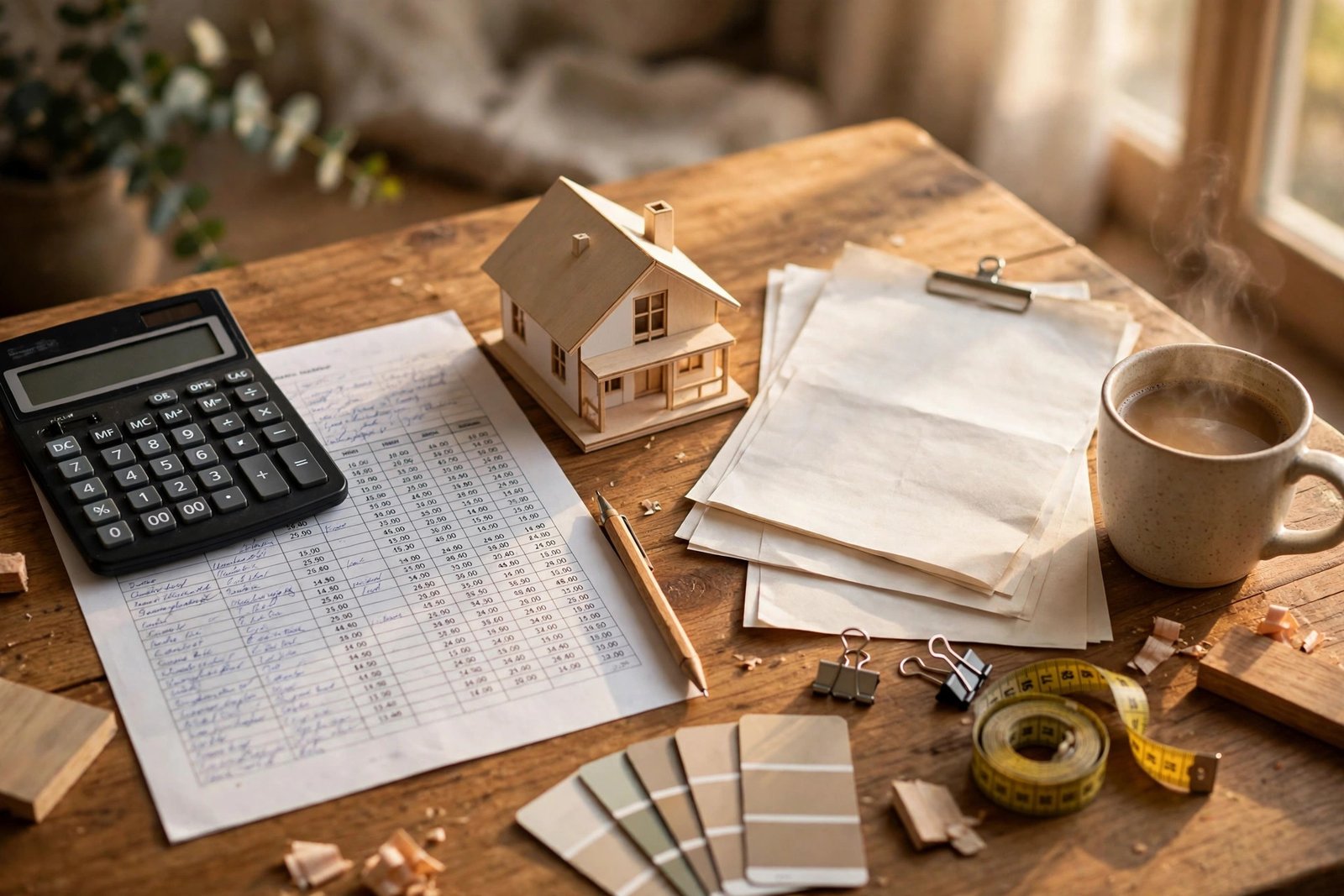
A realistic budget has four parts:
- The work itself. Add up the project costs from the table above for everything you plan to do.
- Soft costs. Permits ($500–$5,000), design and architect fees (5–15% of construction cost), and inspections.
- Contingency. Add 15–20% for surprises. In a house over 100 years old, 20% is the safe number, not the pessimistic one.
- Living costs. If you cannot live in the house during the work, budget for rent elsewhere, storage, and eating out for the duration.
Get a detailed written estimate from your contractor, not a single lump-sum number. It should break out labor, materials, permits, and contingency separately, so you can see where the money is going and where you can cut if needed.
Here is how a $200,000 budget might break down: $150,000 for construction, $15,000 for permits and design fees, $30,000 in contingency (15–20%), and $5,000 for temporary living costs and storage. If the contingency is not needed, it becomes your furniture and landscaping budget — but do not spend it before the work is finished. Renovation loans such as an FHA 203(k) can cover the work, but get the loan approved before signing a construction contract.
Is Renovating an Old House Worth It?
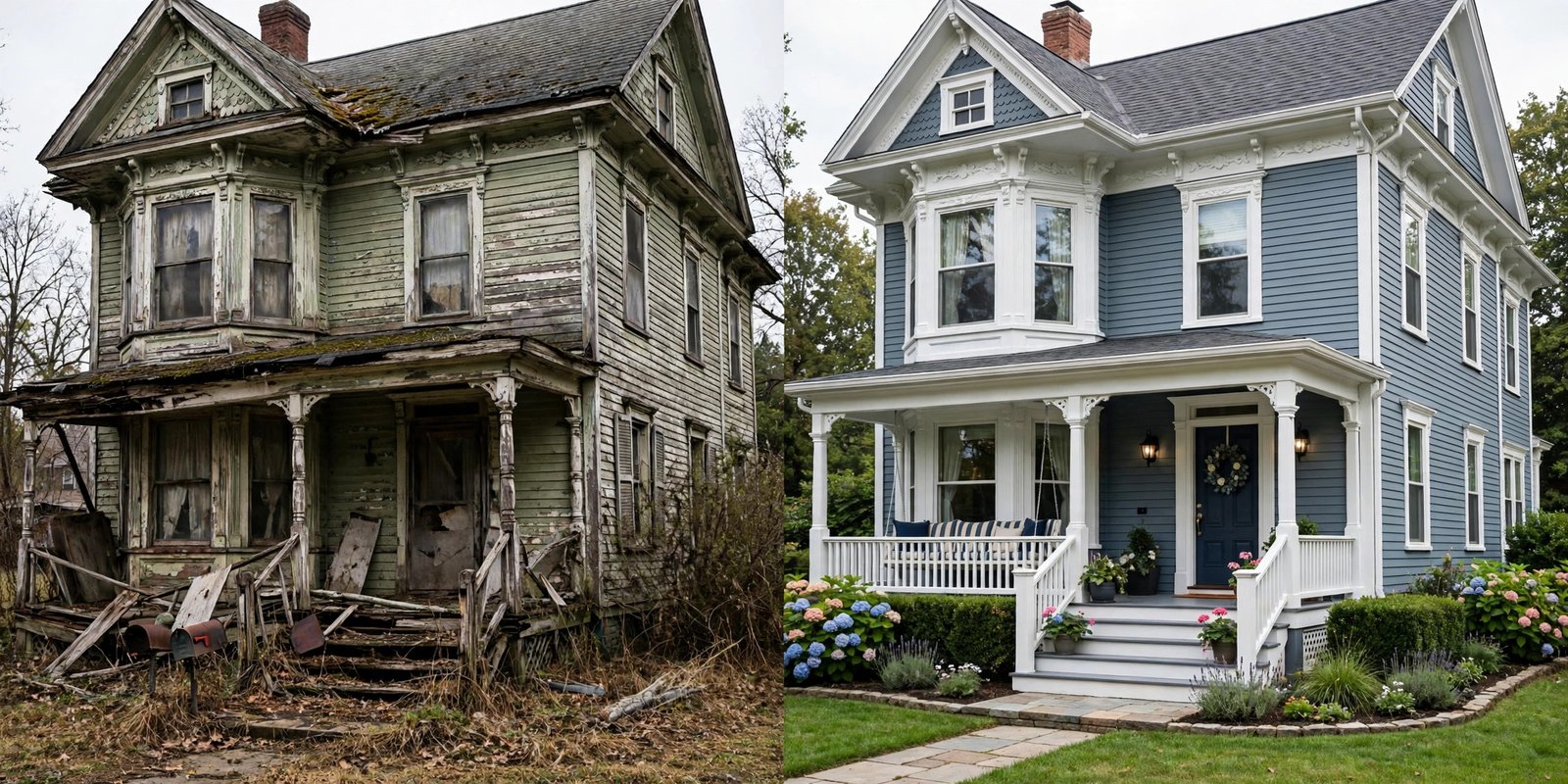
For most buyers, yes — with conditions. A well-renovated old house in a good location can be worth significantly more than the purchase price plus renovation cost, especially if the renovation preserves original character while adding modern kitchens, bathrooms, and systems. Before you commit, compare the total cost with the price of comparable renovated houses in the same neighborhood. If the numbers do not work, walk away, no matter how much you love the porch.
Run the numbers with real comps: if renovated Victorians on your street sell for $550,000, and you can buy at $250,000 and renovate for $200,000, the $100,000 margin covers your contingency and profit. If the margin is under 10%, one hidden problem can erase it.
Frequently Asked Questions
How much does it cost to renovate a 2,000 sq ft old house?
A 2,000-square-foot old house typically costs $200,000–$500,000 to renovate thoroughly in 2026, or roughly $100–$250 per square foot for a mid-range renovation. A light cosmetic update can cost as little as $50,000–$75,000, while a full historic restoration can exceed $500,000.
What is the most expensive part of renovating an old house?
The kitchen is usually the most expensive single room, at $25,000–$75,000. But the most expensive category overall is often the hidden systems: roof, electrical, plumbing, foundation, and HVAC combined can easily cost $50,000–$100,000 before you touch a single room.
Is it cheaper to renovate an old house or build new?
Renovating is usually cheaper than building a comparable new house, especially if the structure and foundation are sound. However, if the house needs major structural work, full rewiring, replumbing, and hazardous material abatement, the costs can approach or exceed new construction — without the warranties and energy efficiency of a new build.
How long does it take to renovate an old house?
A cosmetic renovation takes 2–4 months. A mid-range whole-house renovation takes 6–12 months. A major historic restoration can take 12–24 months, especially if permits, preservation approvals, or specialist trades are involved. Old houses almost always take longer than the initial estimate.
Should I renovate an old house myself?
You can safely handle cosmetic work such as painting, demolition, flooring, and tiling. Leave electrical, plumbing, gas, roofing, structural work, and hazardous material removal to licensed professionals. DIY work on those systems is dangerous, can void your insurance, and will fail inspection.
Do I need a permit to renovate an old house?
Yes, for most structural, electrical, plumbing, roofing, and window work. Cosmetic work such as painting and flooring usually does not need a permit. Permit fees run $500–$5,000, and in a historic district you may also need preservation approval before work starts. Working without a required permit can lead to fines, failed inspections, and trouble selling the house later.
Final Thoughts
The cost to renovate an old house in 2026 is significant, but it is manageable when you go in with open eyes and a realistic budget. Start with the structure and the systems — roof, foundation, wiring, and plumbing — then move on to the rooms you live in. Restore what you can, phase what you cannot afford yet, and keep a 20% contingency for the surprises every old house keeps hidden behind its walls. And keep records of everything: permits, receipts, photos of the work behind the walls, and warranties. When you sell, that file proves the renovation was done properly — and it is often worth thousands in the sale price.
